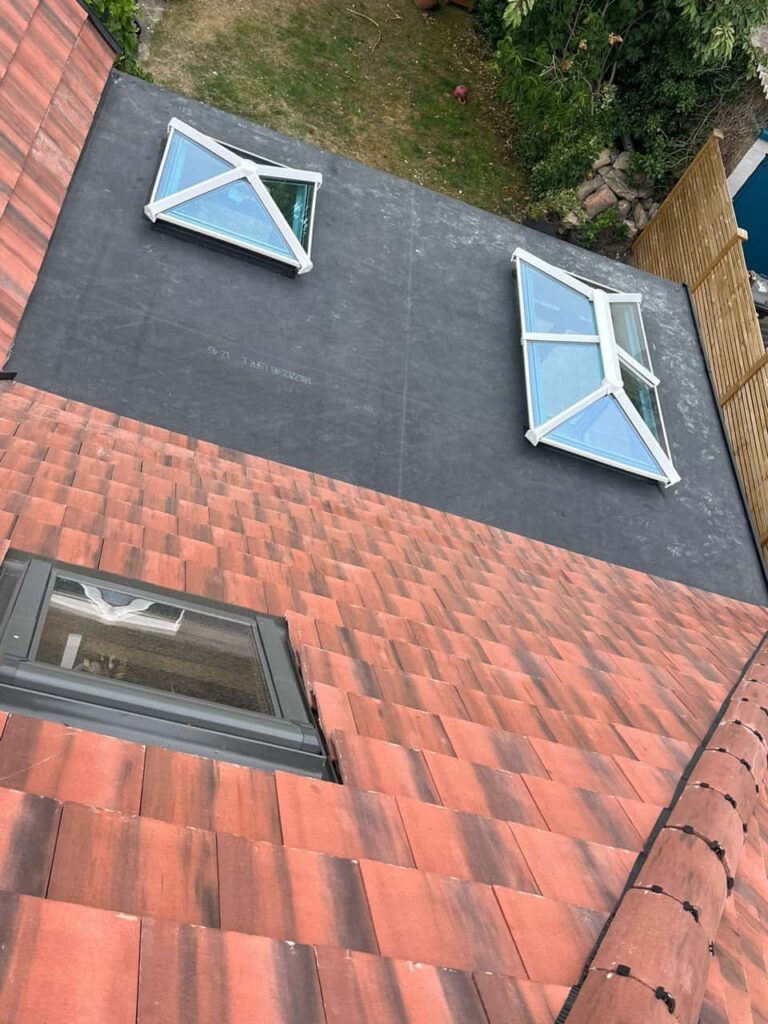
Leadwork is one of the most critical yet often overlooked elements of a roofing system. Found around chimneys, roof valleys, abutments and junctions, lead flashing plays a vital role in directing water safely away from vulnerable areas of the roof. When leadwork begins to fail, even slightly, delaying repairs can quickly lead to wider roofing problems. For property owners in Retford, Nottinghamshire, understanding the importance of timely leadwork repairs is essential to maintaining a watertight and reliable roof.
The Role Leadwork Plays in Roof Protection
Leadwork is designed to provide long-term weather protection where different roof sections meet.
Managing Water at Roof Junctions
Lead flashing forms a flexible, durable barrier that accommodates movement between roofing materials and brickwork. This flexibility allows it to expand and contract with temperature changes while continuing to channel rainwater away from the structure.
Supporting Overall Roof Integrity
When leadwork is performing correctly, it protects underlying timbers, insulation and masonry. Once it begins to crack, lift or split, these areas become exposed to moisture almost immediately.
Why Leadwork Deteriorates Over Time
Even high-quality leadwork is not immune to wear.
Natural Weathering and Movement
Exposure to wind, rain and temperature changes gradually affects lead. Over time, repeated expansion and contraction can cause fatigue, leading to small cracks or separation from adjoining materials.
Fixings and Mortar Failure
Leadwork relies on secure fixings and surrounding mortar to remain effective. If mortar joints deteriorate or fixings loosen, water can find its way behind the lead, compromising the seal.
The Risks of Delaying Leadwork Repairs
Putting off leadwork repairs often leads to problems beyond the flashing itself.
Rapid Water Ingress
Once leadwork fails, water can penetrate quickly, especially during prolonged or heavy rainfall. This can affect roof timbers, ceilings and internal walls before visible signs appear.
Hidden Structural Damage
Moisture entering through failed leadwork may remain undetected for some time. By the time staining or damp becomes visible indoors, significant damage may already have occurred within the roof structure.
Escalation of Roofing Issues
What begins as a localised leadwork problem can spread to surrounding tiles, underlay and battens. Delaying repairs increases the likelihood that additional roof components will be affected.
Why Early Professional Repairs Matter
Leadwork repairs require specialist knowledge and careful workmanship.
Professional roofers assess not only the visible condition of the lead but also how it integrates with surrounding materials. This ensures repairs restore proper water flow and long-term protection, rather than offering a short-term fix.
At Retford Roofing Repairs, we carry out thorough inspections and precise leadwork repairs to protect roofs throughout Retford. Our approach focuses on addressing issues early to prevent further damage and disruption.
Conclusion
Leadwork repairs should never be delayed because even minor defects can allow water to penetrate some of the most vulnerable parts of the roof. Over time, this can lead to hidden structural damage and wider roofing problems that are far more disruptive to resolve.
For homeowners in Retford, Nottinghamshire, acting promptly when leadwork shows signs of wear is key to maintaining a secure and weatherproof roof. If you are concerned about the condition of your lead flashing, Retford Roofing Repairs can provide expert assessment and professional repairs to safeguard your property.
Call us on: 01777 802 495
Click here to find out more about Retford Roofing Repairs
Click here to complete our contact form and see how we can help with your roofing needs.