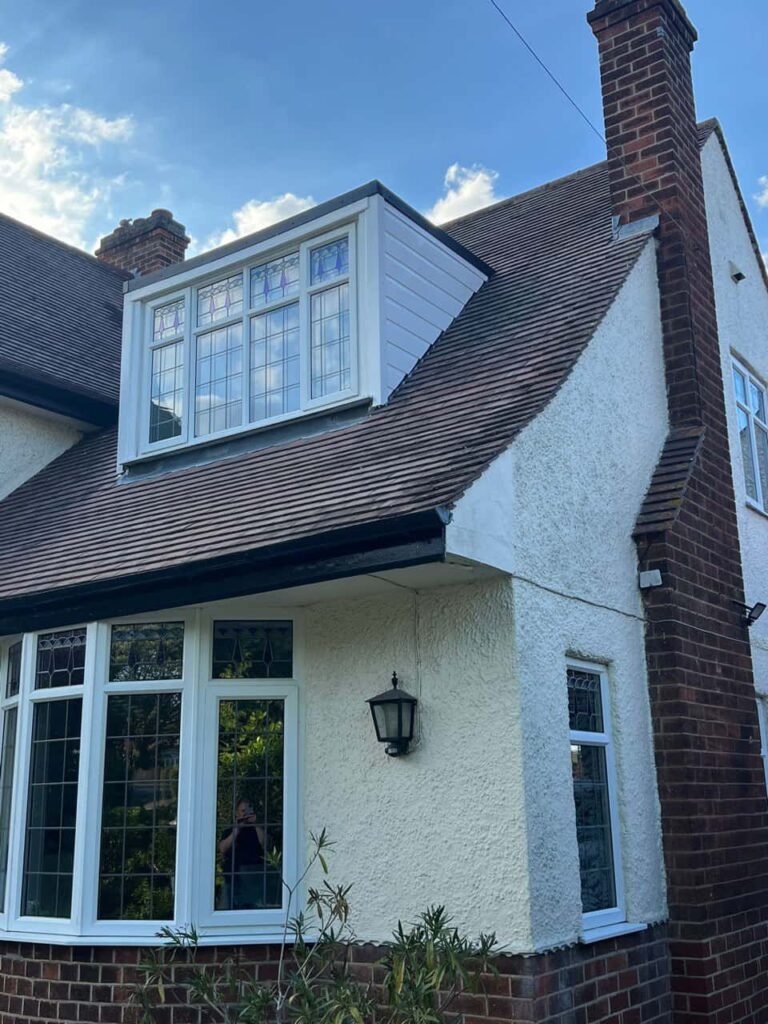
Every roof changes as it gets older. Years of exposure to rain, wind, temperature fluctuations and seasonal weather gradually affect roofing materials and the details that keep the property protected. Tiles can become weathered, fixings may weaken, flashing can deteriorate and vulnerable junctions can begin to require attention.
Ageing, however, does not automatically mean that a roof needs replacing. Where deterioration remains localised and the wider roofing system continues to perform correctly, professional roof repairs can often address specific weaknesses and help maintain dependable protection.
For homeowners in Retford, Nottinghamshire, the important question is not simply how old a roof is, but how extensively ageing has affected its condition. A professional assessment can determine whether individual repairs remain appropriate or whether deterioration has become more widespread.
When Can Repairs Resolve Age-Related Roofing Problems?
Roof repairs are most effective when the cause of the problem can be clearly identified and the surrounding materials remain sufficiently sound.
An older roof might develop a cracked tile, deterioration around a particular flashing detail or a localised weakness at a junction. If the remainder of the roof is performing correctly, repairing that specific area may restore reliable weather protection without requiring unnecessary work elsewhere.
The situation becomes different when ageing affects many parts of the roofing system simultaneously. This is why the extent and distribution of deterioration matter as much as the individual defect.
Roof Age Alone Does Not Determine Its Condition
Two roofs of a similar age can be in very different condition.
Their performance can be influenced by the materials used, previous maintenance, exposure to weather and the complexity of the roof itself. Some areas may also experience more weathering than others.
This means an older roof should not automatically be considered unsuitable for repair.
What matters is whether the existing materials surrounding the damaged section remain capable of supporting an effective repair. If they do, targeted work may continue to be a practical approach.
Weathering Often Develops Gradually
General roof deterioration usually develops over an extended period rather than appearing overnight.
The surface of roofing materials may gradually change, mortar details can deteriorate and metalwork can become less effective. Small movements can also occur as materials repeatedly experience changes in temperature and weather.
These changes may initially have little effect on overall roof performance.
Over time, however, particular components can reach a stage where they no longer perform reliably. Identifying these areas before deterioration spreads can make repair more straightforward.
Individual Damaged Tiles or Slates May Be Repairable
A small number of deteriorated roofing materials does not necessarily indicate widespread roof failure.
If individual tiles or slates have become cracked, damaged or displaced while neighbouring materials remain secure, replacing or correcting the affected components may be sufficient.
The surrounding area should still be examined carefully.
A damaged tile within an otherwise sound covering presents a very different situation from one located among numerous brittle, loose or deteriorating materials. Professional assessment helps establish which of these situations applies.
Ageing Flashing Can Often Be Addressed Locally
Flashing protects important roof junctions and areas where the roof meets other features.
Over time, flashing can deteriorate, move or become less effective. This may allow water to enter even though the main roof covering remains in reasonable condition.
Where the weakness is confined to a particular detail, appropriate repair can restore its weather-resistant function.
This is an example of why an older roof should be assessed component by component rather than assuming that every problem originates from the main covering.
Ridges and Verges Can Deteriorate Independently
Roof edges and ridge areas experience continual exposure to weather.
Materials around these locations may deteriorate differently from those across the main roof slopes. A problem affecting a ridge or verge can therefore develop while large sections of the roof remain serviceable.
Where deterioration is localised, repairs can often focus on the affected detail.
However, if similar problems are developing across numerous sections, the overall roof condition deserves closer consideration.
Repairing Early Can Protect Surrounding Materials
A localised weakness can become more significant when left unresolved.
Once water begins entering through a deteriorated component, surrounding materials may be exposed to moisture that they would not normally experience. A loose roofing material can also place additional demands on adjoining sections.
Timely repair helps restore the affected part before deterioration becomes more complicated.
For an ageing roof, this is particularly valuable because preserving materials that remain in good condition can help maintain overall roof performance.
Recurring Leaks Need More Than Repeated Patching
An older roof that develops the same leak repeatedly should be investigated carefully.
Water can travel beneath roofing materials before becoming visible internally, so the apparent position of a leak does not necessarily identify the external defect.
Repeatedly treating the most obvious area without locating the true entry point may fail to provide a dependable solution.
At Retford Roofing Repairs, we focus on identifying the underlying cause of water ingress and assessing the surrounding roofing materials. This helps determine whether a targeted repair can correct the problem or whether the recurring symptom reflects broader deterioration.
Several Different Repairs Can Reveal a Pattern
Individual repairs over the lifetime of a roof are not unusual.
The pattern becomes more important when different problems begin appearing regularly across several areas.
For example, one repair may involve a tile, another a flashing detail and a later problem a completely different roof section. Individually, each defect might be repairable. Collectively, they may indicate that multiple components are reaching a similar stage of deterioration.
Looking at the repair history alongside the current condition can therefore provide useful information about how the roof is ageing.
When Does General Wear Become Widespread Deterioration?
There is no single point at which an ageing roof suddenly becomes unsuitable for repair.
Instead, the distinction usually depends on the extent of deterioration.
Warning signs that a broader assessment may be required include:
- numerous damaged or deteriorating tiles or slates
- recurring leaks in different locations
- several vulnerable roof details requiring attention
- widespread movement within the covering
- repeated problems around previous repair areas
- deterioration appearing across previously sound sections
- surrounding materials becoming too fragile for dependable local repairs
These signs do not automatically mean that extensive work is required, but they indicate that considering the roof as a complete system is sensible.
Repairs Need Sound Surrounding Materials
An effective roof repair does not exist in isolation.
New or repaired components need to integrate with the existing roof. If surrounding materials are sufficiently stable, this can often be achieved successfully.
Problems arise when the materials around the repair are themselves heavily deteriorated.
For example, replacing one damaged component provides limited benefit if neighbouring sections are already approaching failure. The condition around the defect is therefore an important part of deciding whether repair is appropriate.
Older Roofs Benefit From Accurate Diagnosis
Ageing roofs can sometimes contain materials installed or repaired at different times.
This can make diagnosis more complicated because one section may remain in excellent condition while another has experienced considerably more deterioration.
A professional inspection can distinguish between these areas.
Rather than treating the roof’s age as the deciding factor, the assessment considers where the weakness is located, what caused it and whether the surrounding construction remains reliable.
This provides a much more useful basis for planning repair work.
A Repair Should Address the Cause, Not Just the Appearance
Age-related deterioration can produce visible symptoms such as staining, movement or damaged roofing materials.
Correcting what can be seen is only part of an effective repair.
If a tile has moved, it is useful to understand why. If water is entering around a roof detail, the route of moisture needs to be identified. If a previous repair has deteriorated, the surrounding condition should also be examined.
Addressing the underlying cause helps avoid repeatedly treating symptoms while the original weakness remains.
Professional Assessment Can Help Preserve a Serviceable Roof
One of the main benefits of professional roof assessment is establishing which materials genuinely need attention.
An older roof may contain substantial areas that continue to perform effectively. Where this is the case, appropriately targeted repairs can help preserve those serviceable sections.
For property owners in Retford, Nottinghamshire, this means decisions can be based on actual roof condition rather than automatically assuming that ageing requires complete renewal.
Equally, where deterioration has become widespread, an assessment can identify that change before a series of unrelated repairs becomes the only way problems are being managed.
When Should an Ageing Roof Be Inspected?
It is sensible to arrange an assessment when there is evidence that roof performance has changed.
This might include a developing leak, recurring dampness, displaced roofing materials, visible deterioration around roof details or an increase in the frequency of repairs.
An inspection is also useful when homeowners are uncertain whether a newly discovered defect is isolated.
Understanding the wider roof condition makes it easier to determine whether a repair is likely to provide a dependable result.
The Aim Is Reliable Roof Performance
The purpose of roof repair should not simply be to keep an older roof in place for as long as possible.
Likewise, age alone should not be used as a reason to replace roofing materials that remain serviceable.
The objective is reliable performance.
Where targeted repairs can restore the affected area and the wider roof remains sound, repair may be entirely appropriate. Where deterioration has progressed across numerous sections, a more comprehensive approach may eventually become necessary.
This condition-led approach avoids making decisions based solely on age.
Conclusion
Roof repairs can often correct problems caused by general wear and ageing, particularly when deterioration remains localised and surrounding roofing materials are still in sound condition. Individual damaged tiles, flashing defects and vulnerable roof details can frequently be addressed without treating an otherwise serviceable roof as though it has completely failed.
However, ageing becomes more significant when problems begin developing across multiple sections or repairs are required increasingly often. At this stage, assessing the complete roof provides a clearer understanding of its overall reliability.
If your roof in Retford, Nottinghamshire is showing signs of age-related deterioration, contact Retford Roofing Repairs. We can assess the affected area and wider roof condition, identify the underlying cause and recommend an appropriate repair approach based on what your roof genuinely requires.
Call us on: 01777 802 495
Click here to find out more about Retford Roofing Repairs
Click here to complete our contact form and see how we can help with your roofing needs.