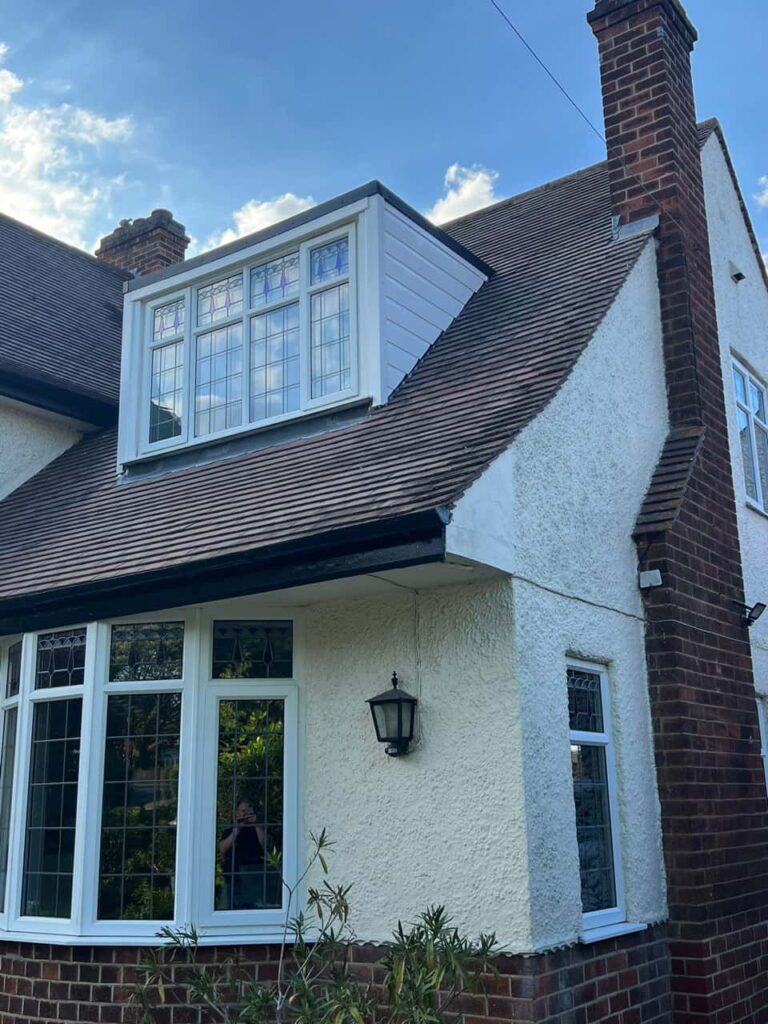
Lead flashing plays an important role in keeping a roof watertight. It protects vulnerable joints where roofing materials meet walls, chimneys, roof valleys and other features. Although lead is durable and flexible, flashing can deteriorate, become displaced or develop defects over time, allowing rainwater to enter the property.
For homeowners in Retford, Nottinghamshire, recognising the warning signs of damaged lead flashing can help prevent minor roof defects from developing into more extensive problems. Retford Roofing Repairs provides professional roofing services to identify flashing issues, investigate leaks and carry out suitable repairs to help maintain a reliable roof.
What Is Lead Flashing and Why Is It Important?
Lead flashing is a weatherproofing material fitted around roof junctions and other areas where water could penetrate the building. Its flexibility allows it to form around different shapes and roofing details, creating a protective barrier against rainwater.
It is commonly used around chimneys, roof abutments, dormer windows and valleys. These areas can be particularly vulnerable because water must pass across or around changes in the roof’s shape.
When correctly installed, lead flashing directs water away from joints and towards the roof’s drainage system. However, if the flashing becomes damaged or its surrounding seals fail, water can work its way beneath the roof covering and into the structure.
Even a small defect can allow repeated water ingress during wet weather, making timely inspection and repair important.
Common Signs of Damaged Lead Flashing
Lead flashing problems are not always obvious from inside the property. However, several warning signs may indicate that the roof needs professional attention.
Water Stains on Ceilings or Walls
Brown marks, damp patches or peeling paint near the top of a wall or ceiling can indicate water entering through a roof junction. If the leak is close to a chimney breast or an external wall, damaged flashing may be one possible cause.
Water can travel along roof timbers and other materials before becoming visible indoors, so the damp patch may not be directly beneath the defect. A professional inspection can help identify the source rather than relying on the location of the stain alone.
Cracked, Loose or Lifted Flashing
Lead flashing may become displaced through weather exposure, movement in adjoining materials or deterioration around its fixings. Sections that appear lifted, split or poorly secured may no longer provide an effective barrier against rainwater.
Do not attempt to climb onto the roof to check these areas yourself. A roofer can inspect the flashing safely and determine whether it needs repositioning, repair or replacement.
Deterioration Around Chimneys and Roof Junctions
The junction between a chimney and the surrounding roof is a common location for leaks. Flashing may loosen where it meets masonry, while the mortar or other materials securing it can deteriorate.
Similar problems can occur where a roof meets a wall or where different roof sections join. Because these junctions are exposed to runoff and weathering, they should be checked if recurring leaks develop nearby.
Dampness After Rainfall
If damp patches appear or become worse following rainfall, water may be entering through a defect in the roof covering or flashing. Repeated leaks should not be dismissed simply because the affected area dries out between periods of wet weather.
Continued water ingress can gradually damage insulation, timber and internal finishes. Prompt investigation helps establish whether the flashing is responsible or whether another roofing fault needs attention.
What Causes Lead Flashing to Fail?
Lead is designed to provide long-lasting weather protection, but it is still exposed to changing environmental conditions.
Thermal Movement
Lead expands and contracts as temperatures change. If flashing has not been designed or installed to accommodate this movement, stress may develop around joints and fixings. Over time, this can contribute to splits, deformation or displacement.
Poor Installation or Previous Repairs
Incorrectly fitted flashing may not overlap or secure properly, leaving gaps where water can enter. Unsuitable repair materials or poorly executed patching can also fail to address the original problem.
A lasting repair requires an understanding of how the flashing should work with the surrounding roof covering and masonry.
Weather Exposure and Physical Damage
Strong winds, falling debris and general weathering can disturb exposed flashing. Nearby roof tiles may also move or break, affecting the protection provided by the surrounding junction.
Following severe weather, visible roof damage or a new leak is a good reason to arrange a professional assessment.
How Are Lead Flashing Repairs Carried Out?
The correct repair depends on the condition of the lead, the extent of the damage and the surrounding roof structure.
Where the flashing remains in suitable condition, a roofer may be able to secure or reposition it and address defects around the junction. If the lead has split significantly or deteriorated beyond a reliable repair, replacing the affected section may be more appropriate.
The surrounding materials should also be checked. Damaged tiles, deteriorated mortar joints or defects in the roof covering may contribute to the leak and need to be addressed as part of the work.
Simply applying sealant over a visible gap may provide only temporary relief if the underlying cause remains unresolved. A thorough assessment helps ensure that the repair addresses the source of water ingress.
Why Choose Professional Lead Flashing Repairs in Retford?
Lead flashing repairs require suitable roofing knowledge, careful handling of materials and an understanding of how roof junctions manage rainwater. Working at height also presents significant risks, particularly on wet or damaged surfaces.
Retford Roofing Repairs helps property owners in Retford, Nottinghamshire, identify and resolve roofing issues, including damaged lead flashing and leaks around chimneys or wall junctions. Professional attention can help determine the extent of the problem and establish the most appropriate repair.
If you have noticed damp patches, recurring leaks or visible damage around roof junctions, arranging an inspection can help prevent the issue from worsening.
Conclusion
Damaged lead flashing is a common potential cause of roof leaks because it protects the vulnerable points where roofing materials meet. Loose sections, splits, deteriorated joints and movement around chimneys or walls can allow water to penetrate the roof and damage the property.
Recognising the warning signs and arranging suitable repairs promptly can help maintain the roof’s weather resistance and prevent further deterioration. If you suspect a flashing problem at your property in Retford, Nottinghamshire, contact Retford Roofing Repairs to discuss your concerns and arrange a professional assessment.
Call us on: 01777 802 495
Click here to find out more about Retford Roofing Repairs
Click here to complete our contact form and see how we can help with your roofing needs.